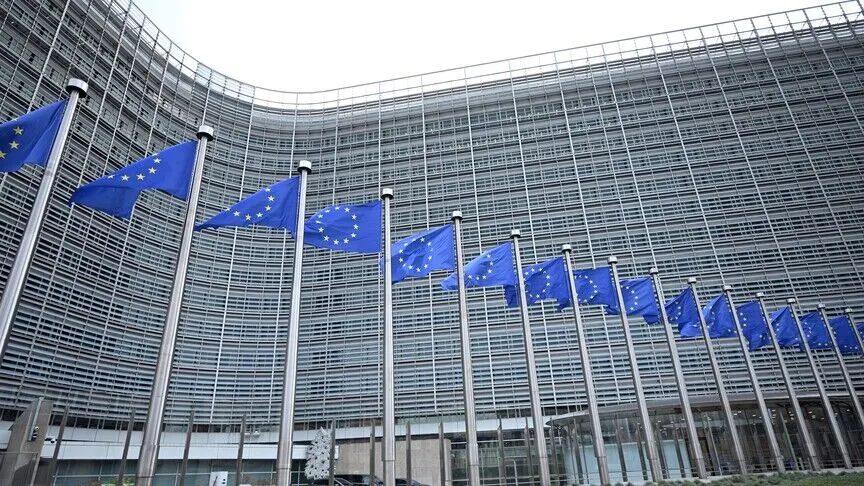
Türkiye rejected a new European Union strategic document on 17 July, with its Foreign Ministry and the presidency's communications chief saying the paper ignores Türkiye's candidate status, understates the security role that the NATO summit in Ankara had just affirmed, and repeats a biased reading of the Eastern Mediterranean and Cyprus. The objection was to the EU's "Common Understanding" document, published two days earlier, an assessment of the threats and challenges facing the bloc.
Foreign Ministry spokesman Öncü Keçeli said the references to Türkiye in the document were "devoid of a strategic and fair approach" and that the paper, "which ignores Türkiye's candidate status, reveals the EU's failure to develop a vision for a shared future with Türkiye." The presidency's communications director, Burhanettin Duran, made the same case, calling the document's evaluations "far from objectivity and strategic foresight" and saying they overlook Türkiye's part in Euro-Atlantic security.
That last point is the one Ankara pressed hardest. The "Common Understanding" is a survey of the dangers the EU sees around it, Russia's war chief among them, and it landed the same month Türkiye hosted the NATO summit in Ankara. Keçeli said the document appeared "drafted in a manner that seeks to overshadow the reality emerging from the historic NATO Ankara Summit," where, he said, European allies took on heavier responsibilities within NATO and Türkiye's "indispensable role was reaffirmed." The message from Ankara is that Europe leans on Türkiye for its defense while withholding the political standing that would go with it.
On the Eastern Mediterranean, Keçeli said the document's "baseless allegations" showed an EU that "cannot free itself from the influence of a biased and distorted understanding," language aimed at a bloc that has tended to adopt Greek positions on maritime boundaries. On Cyprus, he turned the account of blame around. It was the Greek Cypriot side, he said, that prevented a settlement, by rejecting the 2004 UN comprehensive plan that Turkish Cypriots had accepted and by letting the 2017 conference on the island collapse through an intransigent stance. He called on the EU to take up "a realistic vision and a discourse in line with the interests of both sides."
The document reaches Ankara at a contradictory moment in relations with Brussels. The EU has kept up its standard demand that Türkiye commit to good-neighborly relations, and after a suspected drone strike on the British air base at Akrotiri in March, the European Council welcomed member states sending military assets in support of the Greek Cypriot administration. In June, the Greek Cypriot leader, Nikos Christodoulides, again tied any progress in EU-Türkiye ties to movement on Cyprus. Yet the same period has brought a quiet re-engagement, with the EU's foreign-policy chief touring the region and senior officials expanding contacts with Ankara on security and defense. Türkiye's answer to the threat paper is, in effect, that the EU cannot treat it as a pillar of European security in one document and a problem to be managed in the next.