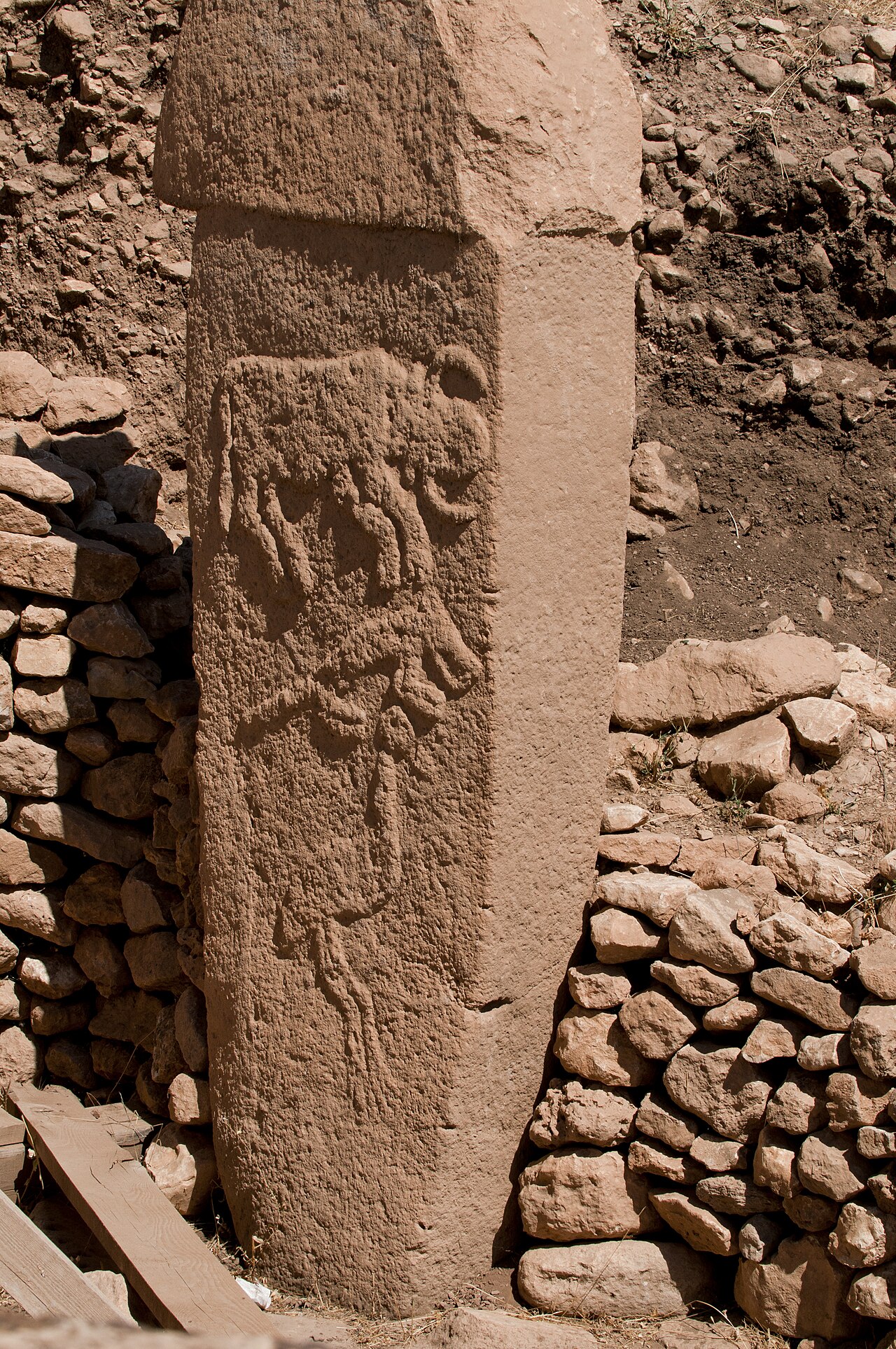
Göbeklitepe, the 12,000-year-old hilltop sanctuary widely called the world's oldest temple, has drawn more than 4.4 million visitors in the eight years since it joined the UNESCO World Heritage List.
The site sits on a limestone ridge near the village of Örencik, about 18 kilometers (11 miles) from Şanlıurfa in southeastern Türkiye. It is older than Stonehenge and the Egyptian pyramids by thousands of years: a set of circular enclosures ringed by massive T-shaped pillars, some up to 6 meters (20 feet) tall and weighing as much as 60 tons, carved with foxes, boars, snakes and cranes.
The astonishing part is the builders. Hunter-gatherers raised these stones, before pottery, before metal, before anyone farmed the land around them. That is why Göbeklitepe reset a long-held assumption about the order of human history, the idea that people had to settle down and farm before they could organize to build something monumental and sacred. The German archaeologist Klaus Schmidt, who led the systematic excavations from 1995 until his death in 2014, called it the first temple.
It was almost missed. Surveys in the 1960s noted the hill, and in 1986 a farmer turned up a carved stone while plowing his field. Real digging began only in 1995. Göbeklitepe entered UNESCO's tentative list in 2011 and was inscribed in July 2018 at a committee meeting in Bahrain. Türkiye named 2019 the "Year of Göbeklitepe" and pushed it to the world.
The listing changed the site's fortunes. Official figures put the eight-year total at 4,409,590 visitors, across a stretch that took in the COVID-19 pandemic and the February 2023 earthquakes that shook the wider region. Even so, more than 320,000 people came in the first half of this year. Mehmet Kamil Türkmen, head of the Şanlıurfa Tourism Development Association, told Anadolu Ajansı the site was on course for around a million visitors in 2026, and that a UNESCO label "becomes a must-see destination in the eyes of international visitors."
And Göbeklitepe no longer stands alone. It anchors a cluster of Neolithic sites across the region that archaeologists group under the name Taş Tepeler, the Stone Hills. The nearby Karahantepe is expected to join the World Heritage List in time, and Şanlıurfa's Balıklıgöl and Harran sit on UNESCO's candidate lists. What Turkish officials like to call the zero point of history is turning into a whole map.
Twelve thousand years after someone first set these stones in a ring, the crowds are still climbing the hill to stand where it began.